

More and more foreign citizens are working in the Republic of Moldova: most of them come from Asia

The number of foreign citizens working in the Republic of Moldova is increasing, most of them coming from Asian countries such as Nepal, India, and Bangladesh. According to authorities, this phenomenon reflects both the labor shortage in the local market and the expansion of employment in various economic sectors.

In a response to IPN, the General Inspectorate for Migration stated that in 2025 the number of foreign workers reached 6,167 people, over 30% more than the previous year, and in 2026 it could exceed 8,000. The structure of the countries of origin varies annually, but the main sources of labor remain the same.

Employed predominantly in construction, agriculture

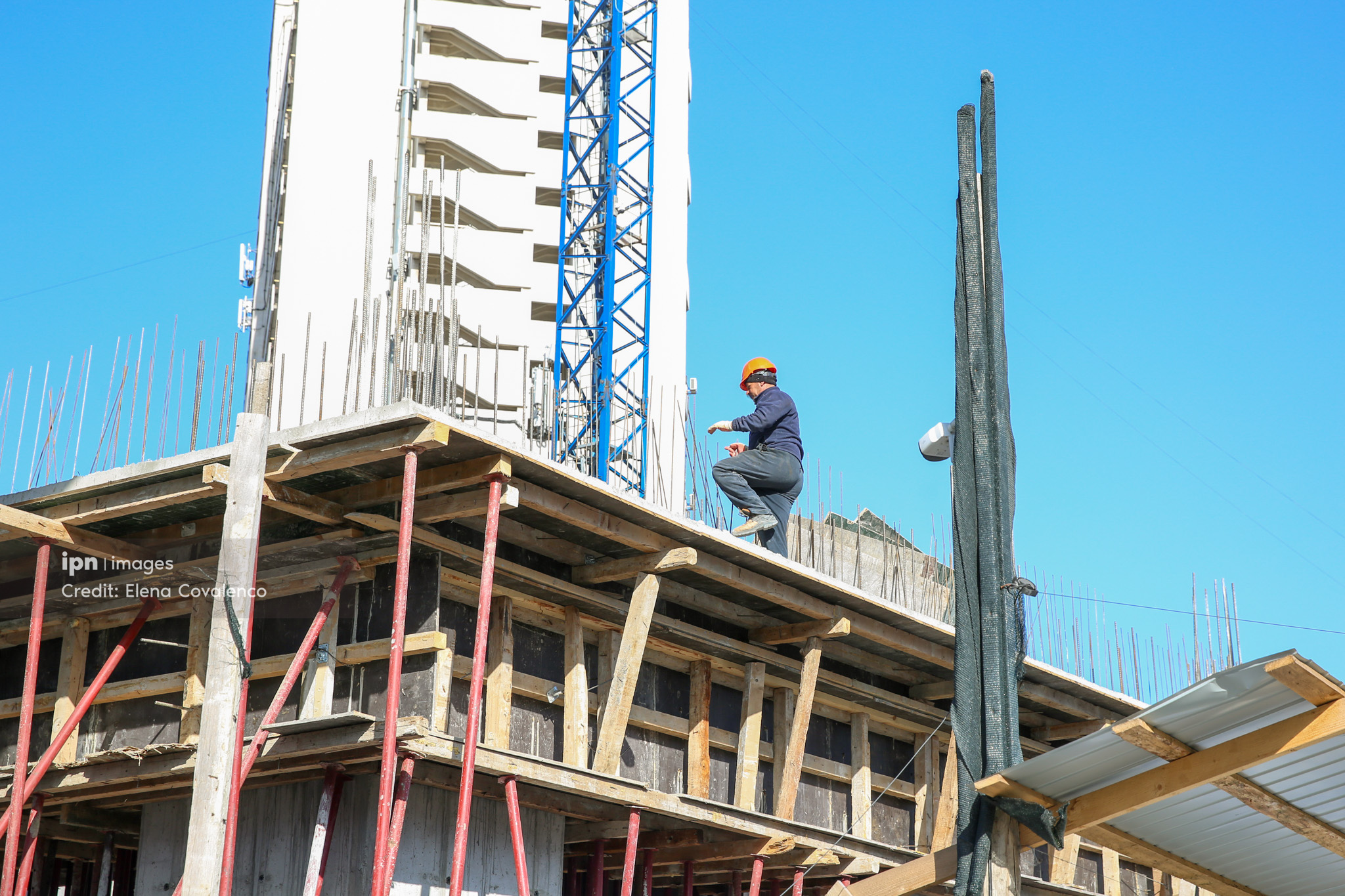
According to IGM, foreign citizens are predominantly employed in construction, agriculture, manufacturing, transport, and public catering – sectors where employers face a shortage of local labor. Concurrently, companies are increasingly requesting unskilled workers in sectors such as textiles, waste recycling, courier services, or furniture production.

With the increase in the number of foreign workers, the number of detected cases of undeclared work has also increased – 296 in 2025, compared to 206 in 2024, and in the first months of 2026, 63 cases have already been identified.

IGM clarifies that, to facilitate the attraction of labor force from abroad, the authorities have introduced digital tools, including the e-migration platform, which allows online submission of applications and payment of fees. Additionally, integration centers have been established in Chisinau, Balti, and Cahul, where foreign citizens benefit from counseling, Romanian language courses, and support for sociocultural adaptation.

The recruitment and integration process

Contacted by IPN, the coordinator of international workforce development within a recruitment company, Eliza Frunză, stated that this market is still in the early stages of development, and the real results will be visible in the next 5-6 years, once the entire cycle is completed – from identifying market needs to the cultural integration of workers.

According to Eliza Frunza, the recruitment process begins with establishing the profile of the workers, including their level of experience and required skills, followed by the search and selection of candidates. The final decision belongs to the employer, and subsequently the preparation of the file for the authorities is initiated, in order to obtain the visa and the work and residence permit.

The entire process involves significant costs, mainly borne by the employer, including recruitment fees, international transportation, and administrative expenses. After obtaining the work permit, the foreign citizen can commence their activity. Their integration is ensured by the employer, together with the recruitment agency, typically offering conditions such as accommodation, transportation, and in some cases, meals.

Prospects for the labor market

In this context, the recruitment specialist mentioned that the Republic of Moldova could become more attractive to foreign labor if several essential conditions are met. This refers to reducing geopolitical uncertainty, optimizing administrative procedures, including visa and work permit processing times, as well as adapting local employers to working with international personnel.


More and more foreign citizens are working in the Republic of Moldova: most of them come from Asia

The state will cover half of the eligible expenses borne by companies that provide practical training for students in the...

Acest material este disponibil doar pe bază de abonament.
Abonează-te pentru a avea acces la mai multe materiale și funcționalități exclusive!

0 FacebookTwitterPinterestEmail


More and more foreign citizens are working in the Republic of Moldova: most of them come from Asia

The number of foreign citizens working in the Republic of Moldova is increasing, most of them coming from Asian countries such as Nepal, India, and Bangladesh. According to authorities, this phenomenon reflects both the labor shortage in the local market and the expansion of employment in various economic sectors.

In a response to IPN, the General Inspectorate for Migration stated that in 2025 the number of foreign workers reached 6,167 people, over 30% more than the previous year, and in 2026 it could exceed 8,000. The structure of the countries of origin varies annually, but the main sources of labor remain the same.

Employed predominantly in construction, agriculture

According to IGM, foreign citizens are predominantly employed in construction, agriculture, manufacturing, transport, and public catering – sectors where employers face a shortage of local labor. Concurrently, companies are increasingly requesting unskilled workers in sectors such as textiles, waste recycling, courier services, or furniture production.

With the increase in the number of foreign workers, the number of detected cases of undeclared work has also increased – 296 in 2025, compared to 206 in 2024, and in the first months of 2026, 63 cases have already been identified.

IGM clarifies that, to facilitate the attraction of labor force from abroad, the authorities have introduced digital tools, including the e-migration platform, which allows online submission of applications and payment of fees. Additionally, integration centers have been established in Chisinau, Balti, and Cahul, where foreign citizens benefit from counseling, Romanian language courses, and support for sociocultural adaptation.

The recruitment and integration process

Contacted by IPN, the coordinator of international workforce development within a recruitment company, Eliza Frunză, stated that this market is still in the early stages of development, and the real results will be visible in the next 5-6 years, once the entire cycle is completed – from identifying market needs to the cultural integration of workers.

According to Eliza Frunza, the recruitment process begins with establishing the profile of the workers, including their level of experience and required skills, followed by the search and selection of candidates. The final decision belongs to the employer, and subsequently the preparation of the file for the authorities is initiated, in order to obtain the visa and the work and residence permit.

The entire process involves significant costs, mainly borne by the employer, including recruitment fees, international transportation, and administrative expenses. After obtaining the work permit, the foreign citizen can commence their activity. Their integration is ensured by the employer, together with the recruitment agency, typically offering conditions such as accommodation, transportation, and in some cases, meals.

Prospects for the labor market

In this context, the recruitment specialist mentioned that the Republic of Moldova could become more attractive to foreign labor if several essential conditions are met. This refers to reducing geopolitical uncertainty, optimizing administrative procedures, including visa and work permit processing times, as well as adapting local employers to working with international personnel.


The Ministry of Education and Research provides clarifications in the context of Minister Dan Perciun’s statements regarding the increase of teachers’ salaries. The institution maintains that the minister did not confirm that salaries will be increased from October, but only that the authorities are trying to fulfill their commitment regarding the salary increase, and all the details of the new salary law will be presented along with the budget-fiscal policy, reports IPN.

During the broadcast “Rezoomat” on RealitateaTV, Dan Perciun was asked whether teachers should be worried given that the salary increase, previously announced for September 1, 2026, will be or not, as this depends on the adoption of the new wage law and fiscal-budgetary policy.

“The Prime Minister has indicated that the budget-fiscal policy should be presented in an adjusted version on August 6th. This leaves enough time for it to be voted on in August-September. The salaries for the month of September are paid in October, at the beginning of October. Therefore, we are trying to stick to the commitment that has been made. Following the budget-fiscal policy, after its presentation, all the details on the salary law will also be presented,” the minister replied.

According to the Ministry of Education, this statement does not explicitly indicate that the salary increases will be applied in October or that they will take effect from that date. “Therefore, the minister did not explicitly confirm that teachers’ salaries will be increased in October, nor that the increases will take effect starting from that date,” the institution’s explanations state.

0 FacebookTwitterPinterestEmail


1 IANUARIE, 2025
1 IANUARIE, 2025