

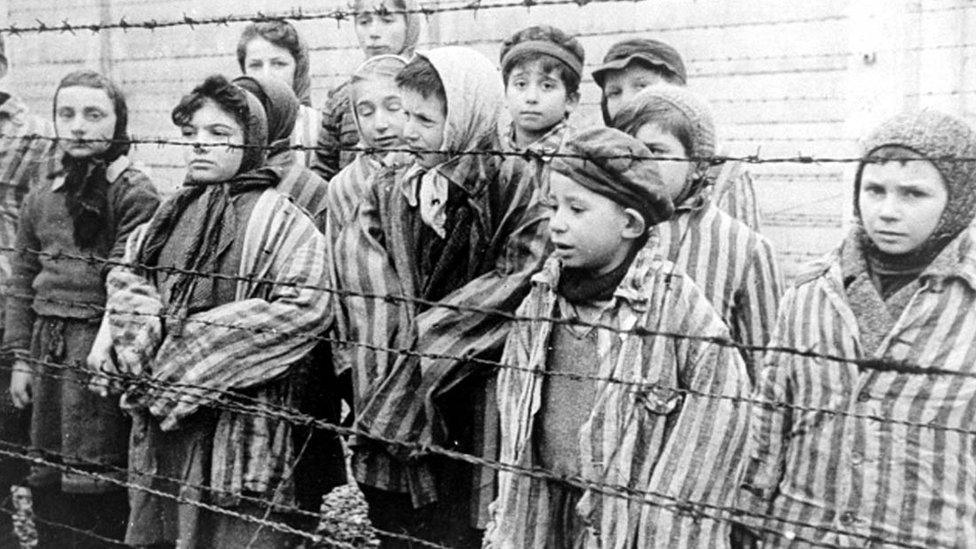
The new MEC plan for strengthening the memory of the Holocaust and the culture of tolerance

Sursa foto: BBC

The Ministry of Education and Research is planning a series of community initiatives aimed at preventing hate speech and promoting respect for ethnic diversity. The actions are included in the new plan for promoting Holocaust remembrance and the culture of tolerance, reports IPN.

The document, proposed for public consultation, provides for initiatives planned until the year 2032, aimed at combating racism, anti-Semitism, xenophobia, and other forms of intolerance.

“Through our new plan, we aim to strengthen an inter-institutional approach, which will ensure the impact of the undertaken activities,” declared the head of the Ethnic Relations Policy Service within the MEC, Ivan Duminica, during a meeting attended by representatives of public organizations and development partners.

The authorities commit to ensuring coherence between national commitments and European priorities in the field of human rights, aligning the document with the EU Strategic Framework for combating antisemitism and promoting Jewish life, as well as the EU Strategy on combating racism.

The Holocaust – a combination of the Greek words holos (complete) and kaustos (burned) – refers to the systematic persecution and killing of approximately six million Jews by the Nazi regime of Germany and its allies, between the years 1933 and 1945. The genocide was part of the Nazi’s anti-Semitic policy, which also led to the persecution and killing of other groups, such as the Roma, people with disabilities, war prisoners, and political opponents.

The commemoration of the Holocaust and education about its causes and consequences are considered essential in combating anti-Semitism and racism, and in preventing future acts of genocide.


The Diaspora Days 2026 begin on Monday, August 3, and will take place throughout August under the theme “Wherever we are, Moldova unites us!”. The program includes events for young people, professionals, leaders of diaspora associations, and citizens interested in getting involved in the country’s development, reports IPN.

The activities are organized by the Diaspora Relations Office within the State Chancellery, and some of these will take place in a hybrid format, to facilitate the participation of Moldovans settled abroad.

The first activity on the schedule is the inauguration of the exhibition “Bessarabian Authors in the World”, on August 3, at the National Library of the Republic of Moldova. On August 4, at the Government House, the event “Youth Talk: Young People Change the World” will take place, and on August 7, at the Palace of the Republic, the Diaspora Forum is scheduled – the central event of this year’s edition.

The Diaspora Forum will bring together citizens of the Republic of Moldova settled abroad, representatives of public authorities, development partners and leaders of diaspora communities. The discussions will focus on the involvement of the diaspora in the European integration process, strengthening communities outside the country and developing partnerships with their places of origin.

The program will continue on August 15 with the Diaspora Cup, organized at Dinamo Stadium. As part of the Diaspora Days, art and heritage exhibitions will also be organized, along with a fair of folk craftsmen and informational stands of public institutions and development partners.

0 FacebookTwitterPinterestEmail


The new MEC plan for strengthening the memory of the Holocaust and the culture of tolerance

Sursa foto: BBC

The Ministry of Education and Research is planning a series of community initiatives aimed at preventing hate speech and promoting respect for ethnic diversity. The actions are included in the new plan for promoting Holocaust remembrance and the culture of tolerance, reports IPN.

The document, proposed for public consultation, provides for initiatives planned until the year 2032, aimed at combating racism, anti-Semitism, xenophobia, and other forms of intolerance.

“Through our new plan, we aim to strengthen an inter-institutional approach, which will ensure the impact of the undertaken activities,” declared the head of the Ethnic Relations Policy Service within the MEC, Ivan Duminica, during a meeting attended by representatives of public organizations and development partners.

The authorities commit to ensuring coherence between national commitments and European priorities in the field of human rights, aligning the document with the EU Strategic Framework for combating antisemitism and promoting Jewish life, as well as the EU Strategy on combating racism.

The Holocaust – a combination of the Greek words holos (complete) and kaustos (burned) – refers to the systematic persecution and killing of approximately six million Jews by the Nazi regime of Germany and its allies, between the years 1933 and 1945. The genocide was part of the Nazi’s anti-Semitic policy, which also led to the persecution and killing of other groups, such as the Roma, people with disabilities, war prisoners, and political opponents.

The commemoration of the Holocaust and education about its causes and consequences are considered essential in combating anti-Semitism and racism, and in preventing future acts of genocide.


The new MEC plan for strengthening the memory of the Holocaust and the culture of tolerance

The Popular Assembly of Gagauzia is set to convene in a regular session on August 3, after the meeting scheduled...

Acest material este disponibil doar pe bază de abonament.
Abonează-te pentru a avea acces la mai multe materiale și funcționalități exclusive!

0 FacebookTwitterPinterestEmail


1 IANUARIE, 2025
1 IANUARIE, 2025