

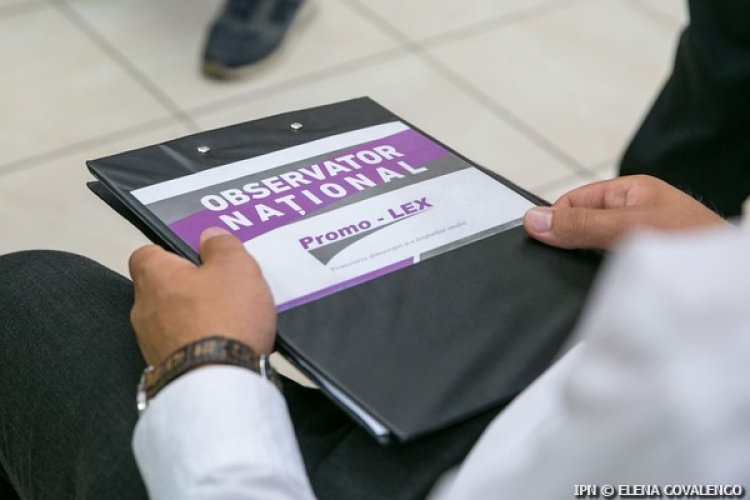
Promo-LEX: The electoral period, marked by external interference, especially from Russia

The electoral period was further marked by external interference, especially from the Russian Federation, amplifying the vulnerabilities of the democratic process. The involvement of fugitive Ilan Shor, currently in Russia, heightened tensions in the public space. The situation was aggravated by incidents such as assaults on journalists, pressure exerted on magistrates, as well as disinformation campaigns regarding the diaspora’s right to vote. The findings are contained in the second report of the Promo-LEX Mission to observe the parliamentary elections, IPN reports.

According to Promo-LEX findings, the authorities responsible for the security sector point to the Russian Federation as the source of interference in the electoral process, which manifests itself through various instruments of interference. These include electoral corruption and illegal financing from external sources, as well as the organization of paid protests.

The Monitoring Mission indicates that the activation of protest actions by the parties coordinated by Ilan Shor, including through the promise of payment for participation in these protests, took place against the backdrop of the sentencing in the case of the Bashkan of Gagauzia, Evghenia Gutul, and the former secretary of the Shor party, Svetlana Popan. This sentence refers to the criminal case regarding the illegal financing of the former party by an organized criminal group.

Promo-LEX emphasizes that the Russian Federation is also involved in the electoral process in Moldova by promoting the narrative of “election fraud through the diaspora”. National authorities have firmly rejected these interferences and condemned disinformation campaigns directed against voting abroad, as well as the entire electoral process.

Report No. 2 of the Parliamentary Election Observation Mission of September 28 includes findings from the period July 22 – August 27.


Promo-LEX: The electoral period, marked by external interference, especially from Russia

The state will cover half of the eligible expenses borne by companies that provide practical training for students in the...

Acest material este disponibil doar pe bază de abonament.
Abonează-te pentru a avea acces la mai multe materiale și funcționalități exclusive!

0 FacebookTwitterPinterestEmail


Promo-LEX: The electoral period, marked by external interference, especially from Russia

The electoral period was further marked by external interference, especially from the Russian Federation, amplifying the vulnerabilities of the democratic process. The involvement of fugitive Ilan Shor, currently in Russia, heightened tensions in the public space. The situation was aggravated by incidents such as assaults on journalists, pressure exerted on magistrates, as well as disinformation campaigns regarding the diaspora’s right to vote. The findings are contained in the second report of the Promo-LEX Mission to observe the parliamentary elections, IPN reports.

According to Promo-LEX findings, the authorities responsible for the security sector point to the Russian Federation as the source of interference in the electoral process, which manifests itself through various instruments of interference. These include electoral corruption and illegal financing from external sources, as well as the organization of paid protests.

The Monitoring Mission indicates that the activation of protest actions by the parties coordinated by Ilan Shor, including through the promise of payment for participation in these protests, took place against the backdrop of the sentencing in the case of the Bashkan of Gagauzia, Evghenia Gutul, and the former secretary of the Shor party, Svetlana Popan. This sentence refers to the criminal case regarding the illegal financing of the former party by an organized criminal group.

Promo-LEX emphasizes that the Russian Federation is also involved in the electoral process in Moldova by promoting the narrative of “election fraud through the diaspora”. National authorities have firmly rejected these interferences and condemned disinformation campaigns directed against voting abroad, as well as the entire electoral process.

Report No. 2 of the Parliamentary Election Observation Mission of September 28 includes findings from the period July 22 – August 27.


In Romania, a crisis situation has been instituted on the fuel market. The bill adopted on Wednesday by the Chamber of Deputies provides for temporary measures to stabilize the market, including the reduction of excise duty on diesel and restrictions on its export, reports IPN.

The law stipulates a temporary reduction of the excise duty on diesel and the application of a reduced VAT rate of 19% for gasoline and diesel in refining and trading activities. The excise reduction can be applied for successive periods of two weeks, without exceeding the duration of the crisis situation.

At the same time, a solidarity contribution will be established on the income obtained from the sale of oil and energy products resulting from the processing of crude oil extracted in Romania.

During the crisis period, the export of diesel will be permitted only with the consent of the Ministry of Economy, Ministry of Energy, and Ministry of Finance. Operators will be able to temporarily reduce the biofuel content in gasoline from 8% to a minimum of 2%.

Companies in the field will be required to report monthly to the authorities the prices practiced and the way of implementing measures. The competent institutions will be able to request information about price formation and commercial mark-ups, and operators will have to respond within 10 days.

The crisis situation in the fuel market is valid until October 31, 2026, and can be extended by government decision, for periods of up to 3 months, if the causes that led to its establishment persist.

0 FacebookTwitterPinterestEmail


1 IANUARIE, 2025
1 IANUARIE, 2025